
Bangladesh Independence Day, observed every year on March 26, is one of the most important national days in Bangladesh. Known officially as Independence and National Day, it commemorates the historic declaration of independence in 1971, marking the beginning of the nation’s journey toward sovereignty. The day reflects the courage, sacrifice, and determination of millions who fought for freedom during the Liberation War.
Trending search terms such as Bangladesh Independence Day 1971, Independence Day of Bangladesh, and Bangladesh National Day highlight the global interest in this historic event and its lasting importance.
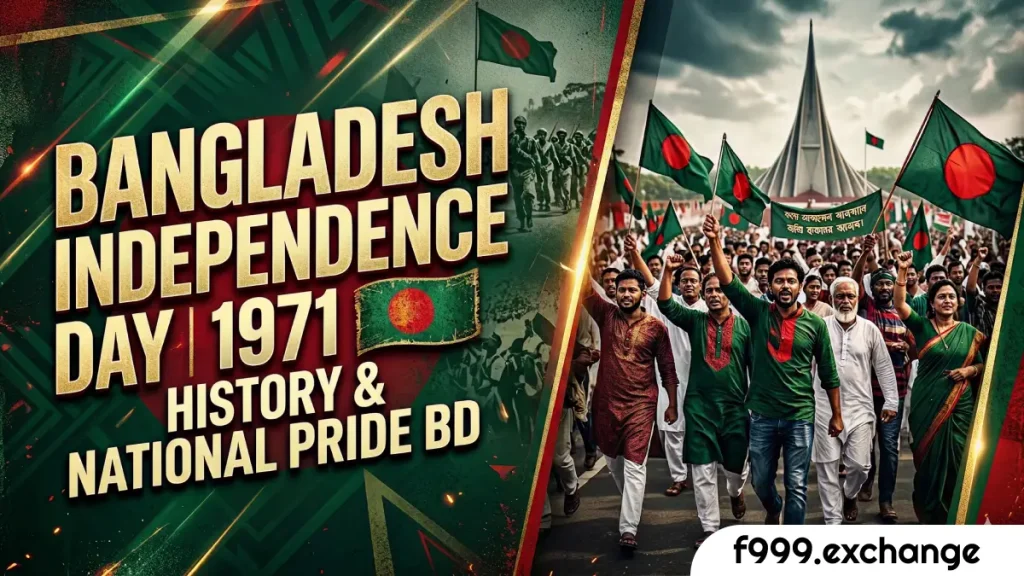
Table of Contents
The Historic Declaration of Independence in 1971
The roots of Bangladesh Independence Day 1971 lie in the political tensions and injustices faced by the Bengali population under Pakistani rule. On the night of March 25, 1971, the Pakistan Army launched a brutal military operation known as Operation Searchlight, targeting civilians, intellectuals, and political activists.
In the early hours of March 26, 1971, the Father of the Nation, Sheikh Mujibur Rahman, officially declared the independence of Bangladesh. His declaration inspired the nation to begin a nine-month struggle for freedom, which later became known as the Bangladesh Liberation War.
The Nine-Month Liberation War and Victory
Following the declaration, the people of Bangladesh united in resistance against oppression. Freedom fighters, known as the Mukti Bahini, played a crucial role in the fight for independence. The war continued for nine months, resulting in immense sacrifice and courage from civilians and armed forces alike.
The struggle ultimately ended on December 16, 1971, when Pakistani forces surrendered, leading to the creation of an independent Bangladesh. This historic triumph is celebrated every year as Victory Day, marking the success of the Liberation War and the birth of a sovereign nation.
How Bangladesh Celebrates Independence Day
Independence Day of Bangladesh is observed with deep respect and patriotic enthusiasm across the country.
The day begins with a traditional 31-gun salute, symbolizing national honor and remembrance. The President and Prime Minister pay tribute to the martyrs at the Jatiyo Sriti Shoudho, also known as the National Martyrs’ Memorial.
A grand military parade takes place at the National Parade Ground in Dhaka, featuring members of the armed forces, police, and border guards. Educational institutions organize cultural programs where students perform patriotic songs, recitations, and displays that highlight the spirit of independence.
Government buildings, roads, and monuments are decorated with the national colors red and green. Television channels broadcast documentaries, historical discussions, and patriotic music that remind citizens of the sacrifices made for freedom.
National Awards and Cultural Importance
On this significant day, the government awards the prestigious Independence Award (Swadhinata Padak) to individuals and organizations who have made exceptional contributions to the nation.
Independence Day is not only a remembrance of history but also a celebration of national identity, unity, and cultural pride. The day strengthens patriotism among citizens and reminds future generations of the importance of freedom, justice, and sovereignty.
Why Bangladesh Independence Day Remains Globally Significant
Bangladesh Independence Day 1971 is widely recognized as a powerful example of a nation’s determination to achieve self-determination. The courage displayed during the Liberation War continues to inspire people worldwide who value democracy and human rights.
For Bangladeshis living both at home and abroad, March 26 represents pride, sacrifice, and hope for continued national progress. The observance of Independence Day ensures that the legacy of 1971 remains alive in the hearts of millions.